Rated 4.8/5 on Trustpilot
Single course. One time purchase.
Access all courses. Billed annually.
As seen in










Having taught for over 10 years, Katharine Amies has come to see that given the right guidance, anyone can learn to paint if they want to. In this course Katharine invites you to join her in the deeply absorbing and creative process of translating what we see in nature onto a piece of paper, using watercolour. Discover the tools and techniques you’ll need to be able to paint a variety of...
Watch Free Lesson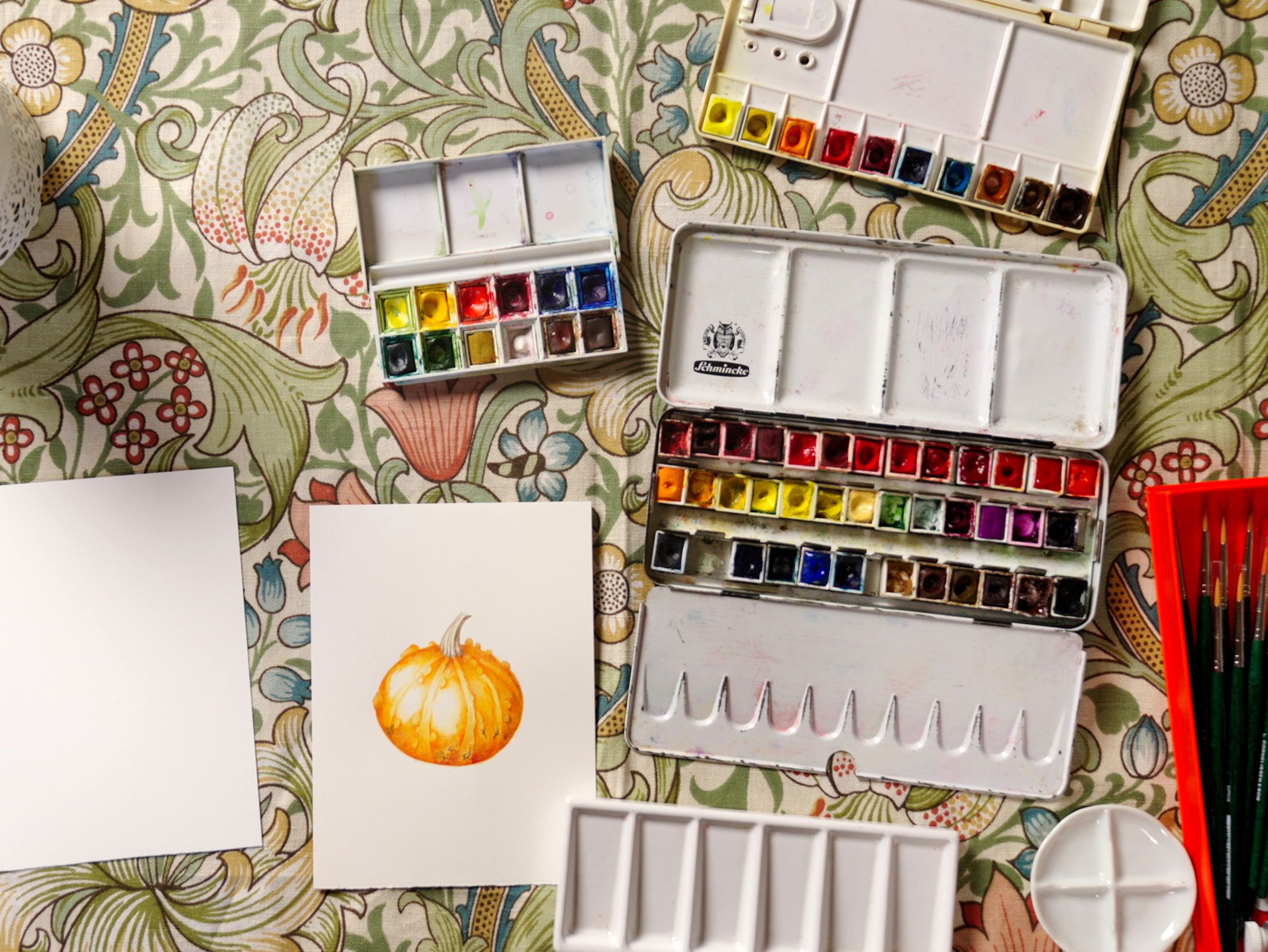

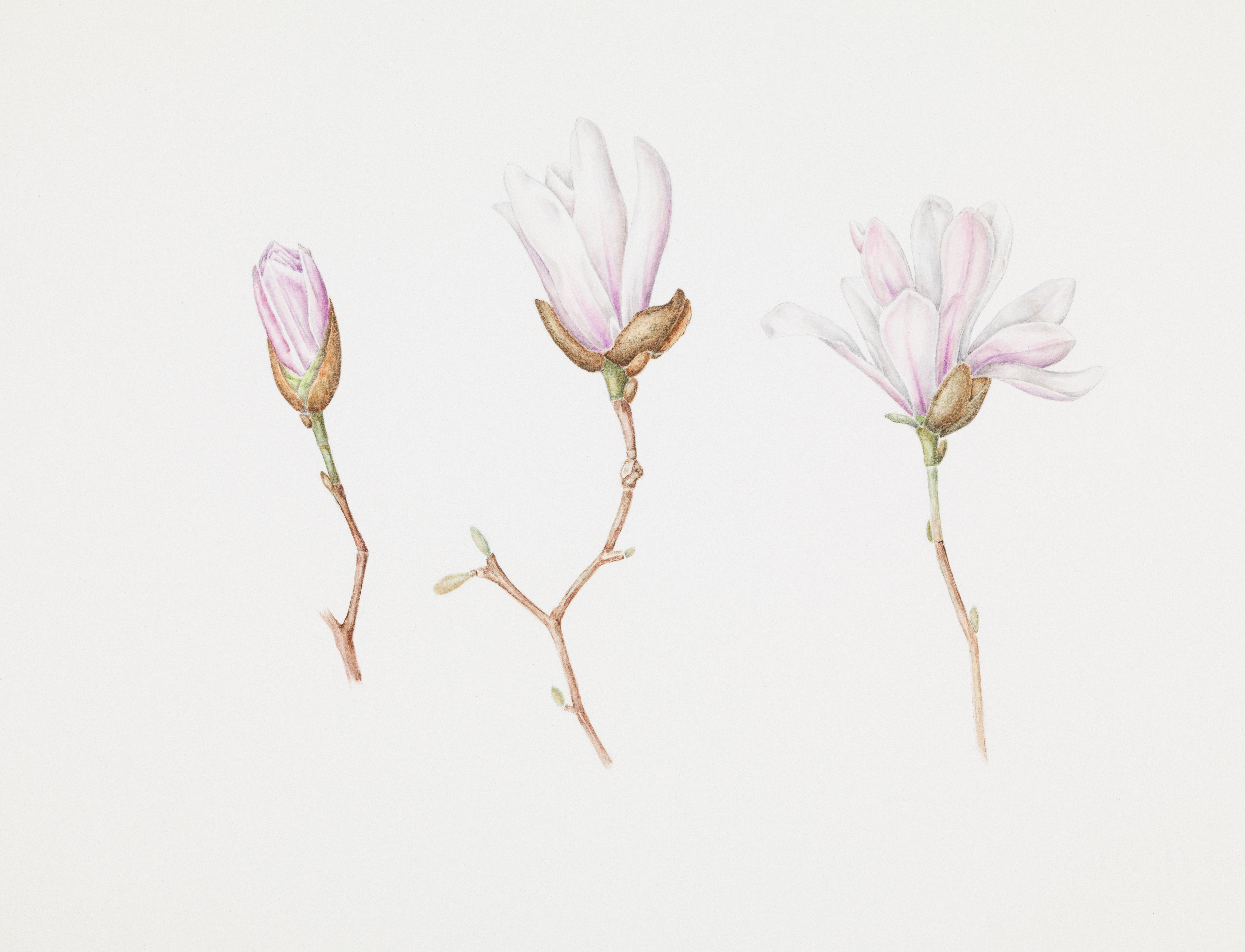
Botanical painting is so much more than simply painting plants with precision and accuracy; it’s about opening your eyes to the beauty of the natural world.
Katharine Amies
16 LESSONs / 4 HOURs
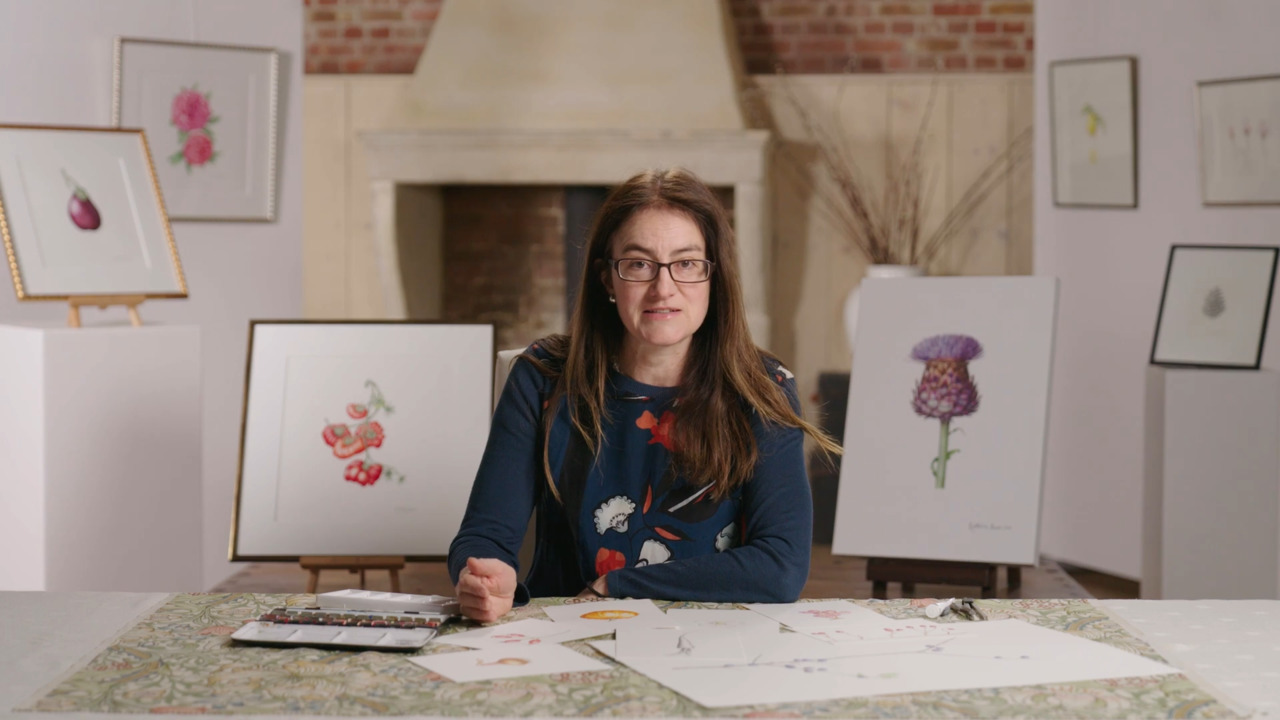
A widely respected and prolific botanical painter, Katharine Amies welcomes you to her first online course. She discusses her unconventional route into becoming an artist, and offers words of encouragement for anyone, at any age, who wants to turn their hands to a new skill.
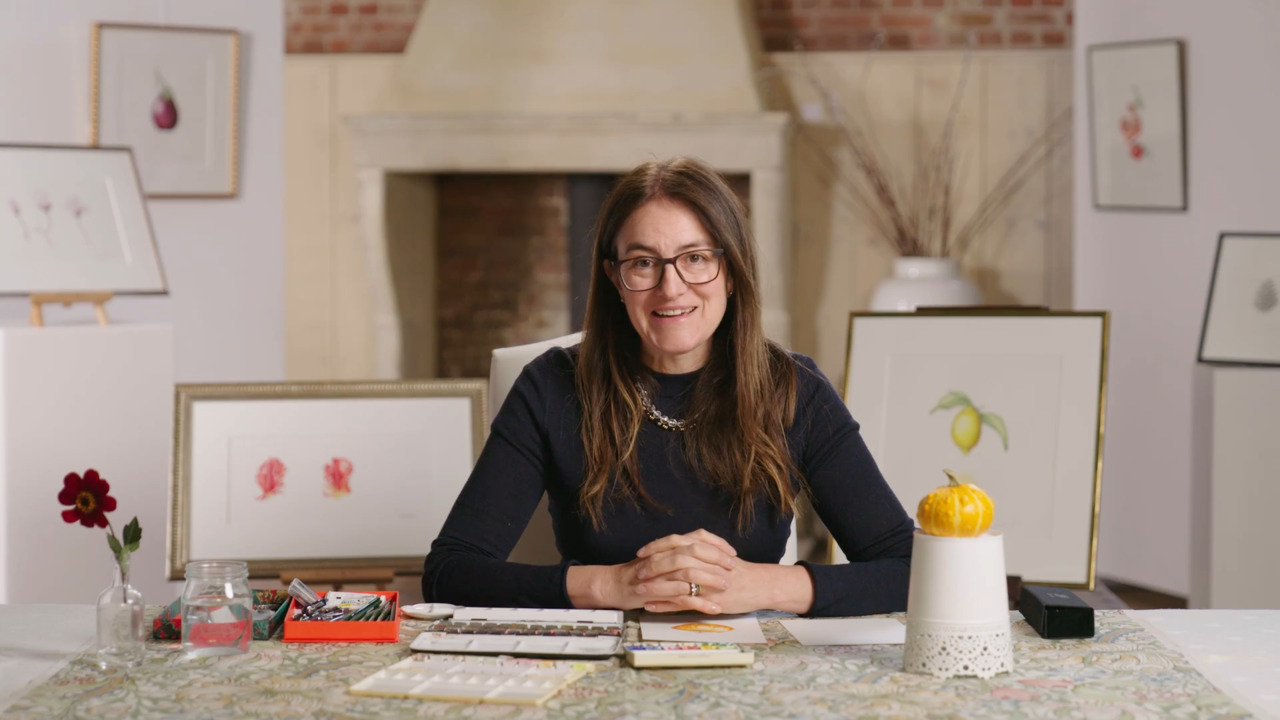
Watercolour is the medium used in this course, and the good news is that you really don’t need a lot of equipment to begin painting. Katharine shares specific recommendations to make getting started a little easier.
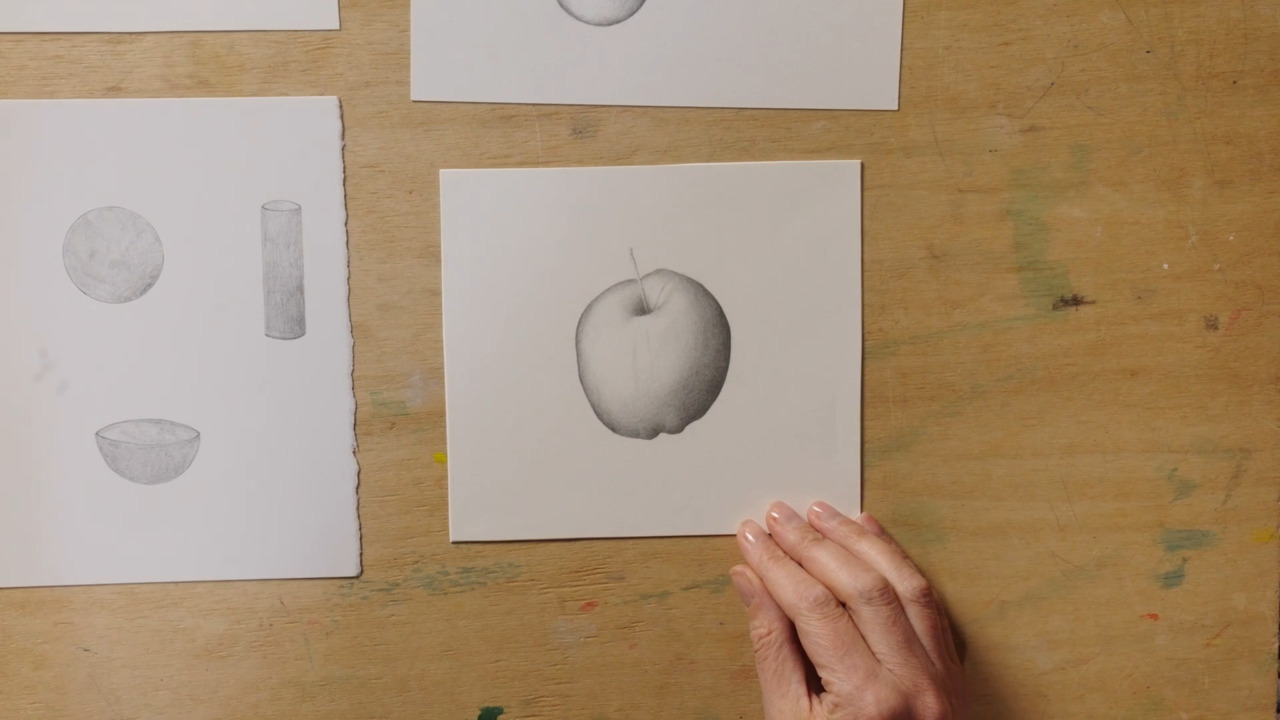
A fundamental learning in botanical painting is how to communicate the 3-dimensional characteristics of your specimen. In this lesson, Katharine teaches you how to do this with pencil.
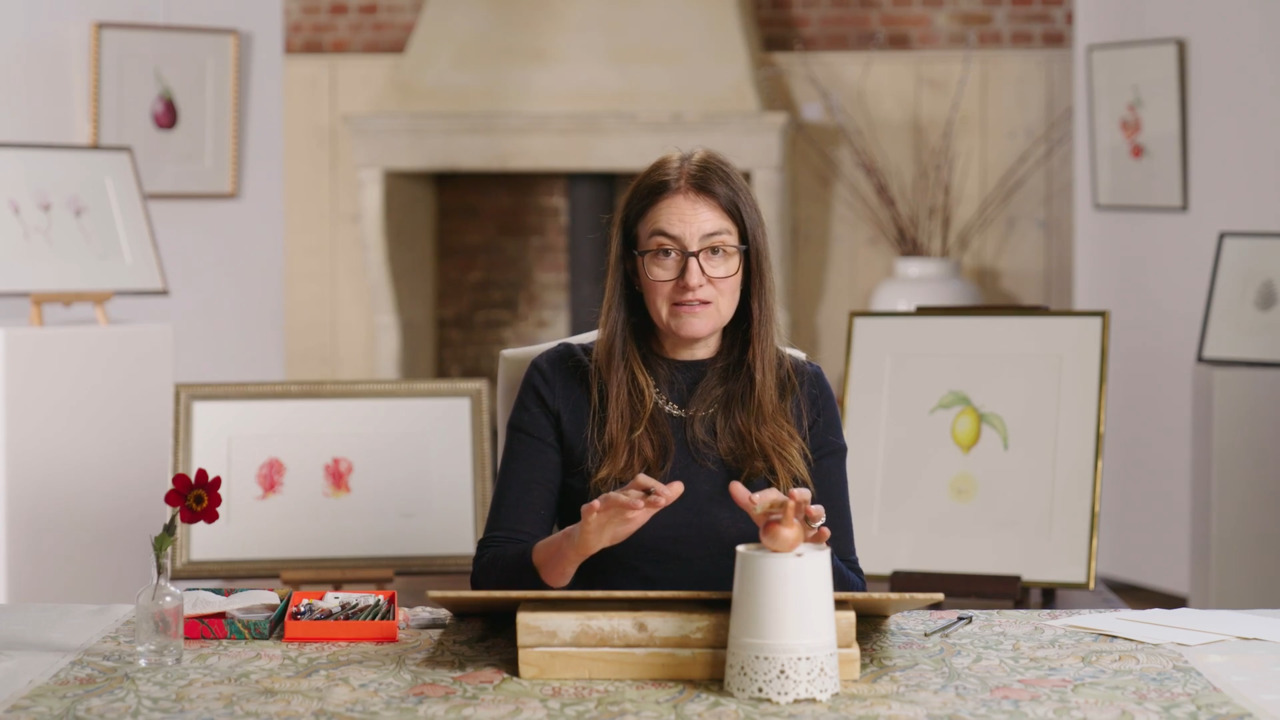
In this lesson, Katharine will show you how to apply your understanding of creating the illusion of shape with pencil drawing techniques learnt from the previous lesson by drawing a realistic shallot.
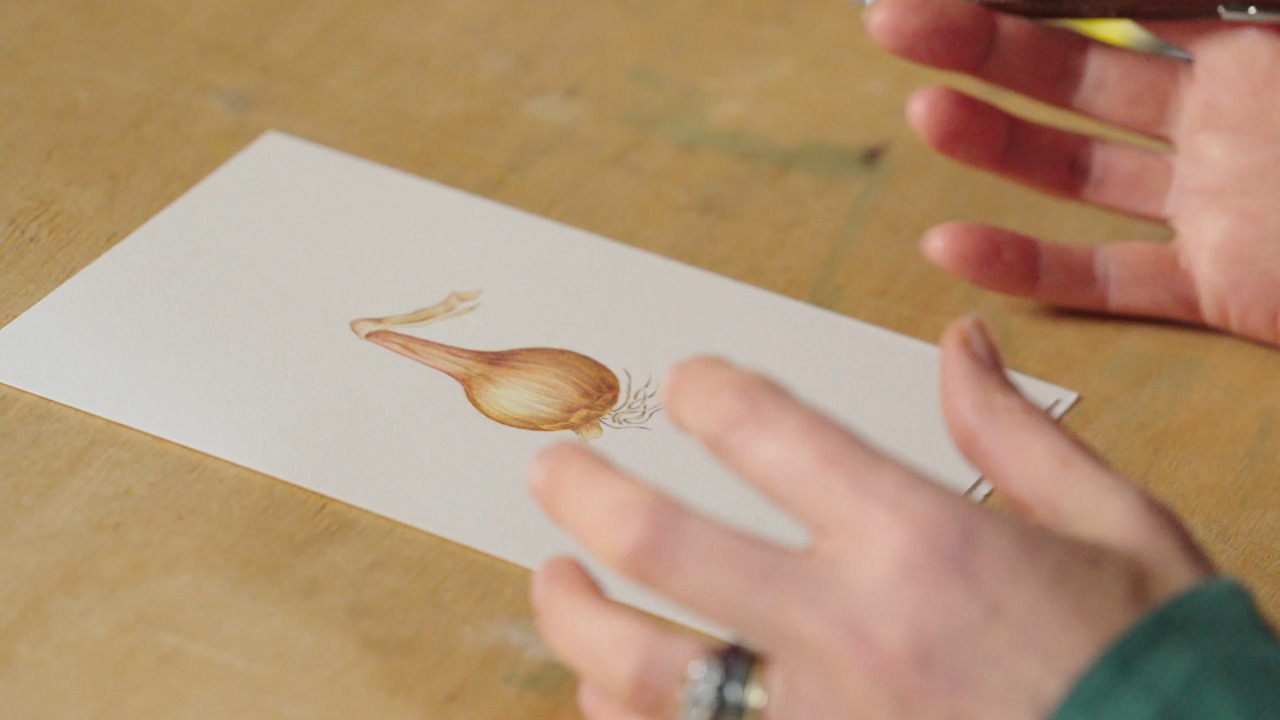
With an understanding of the relationship between light and shadow, you will now move onto applying this to colour. Sticking with the example of a shallot, Katharine shows you the tips and tricks of using watercolour paints to enhance the illusion of form.
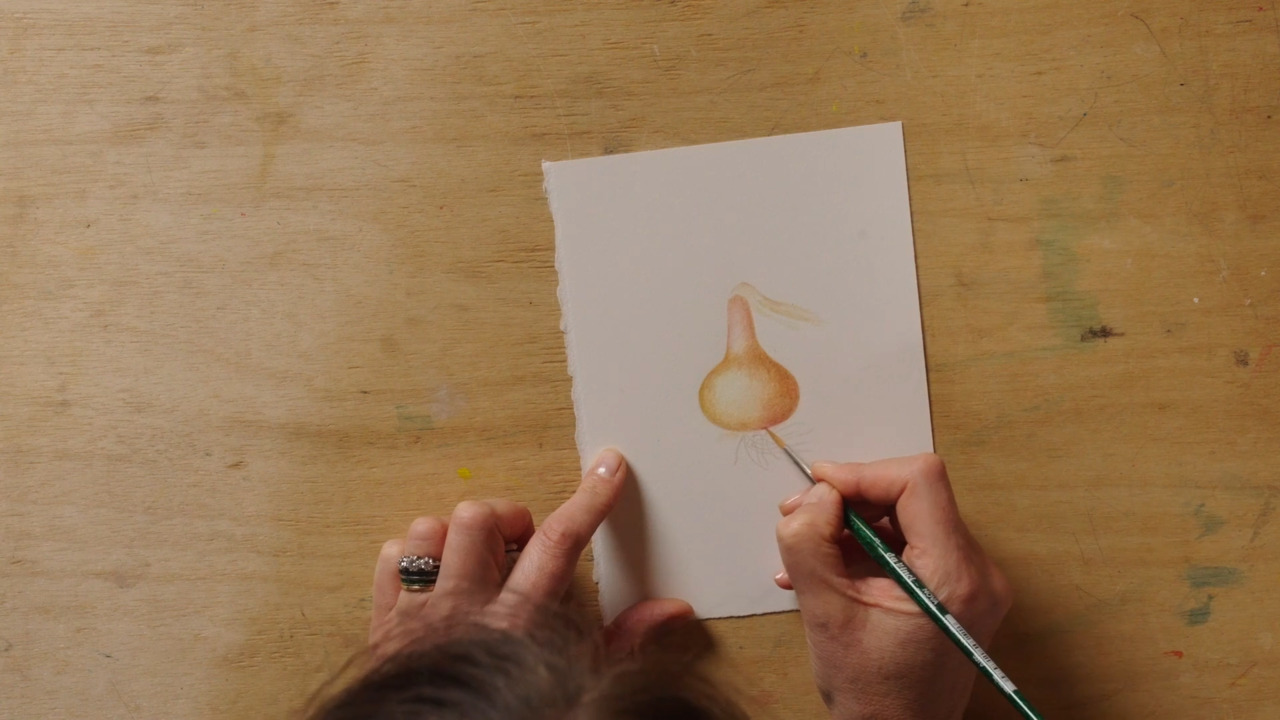
Continue following along with Katharine as she puts the finishing touches to the painting of a shallot in colour.
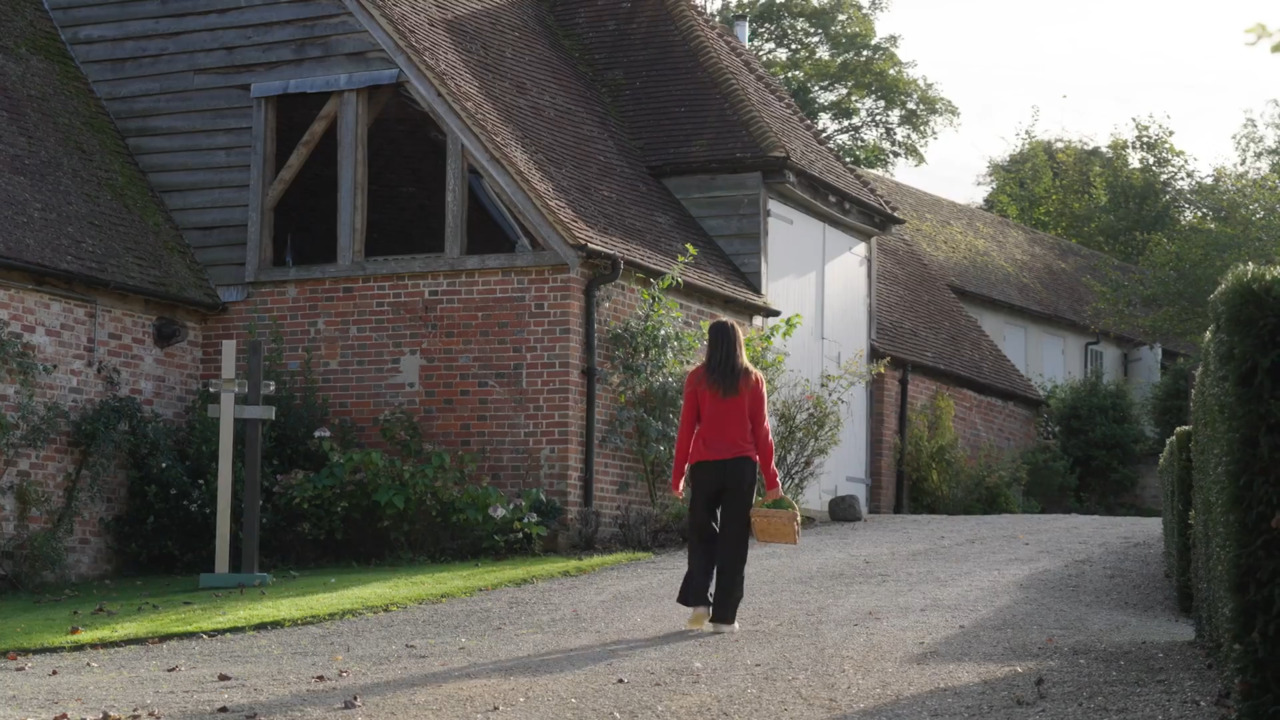
Many fruits, vegetables and plants have a characteristic shine on their surface, and capturing this is an important part of communicating its form to the viewer. This lesson will take you through the process of introducing this in your watercolour paintings.
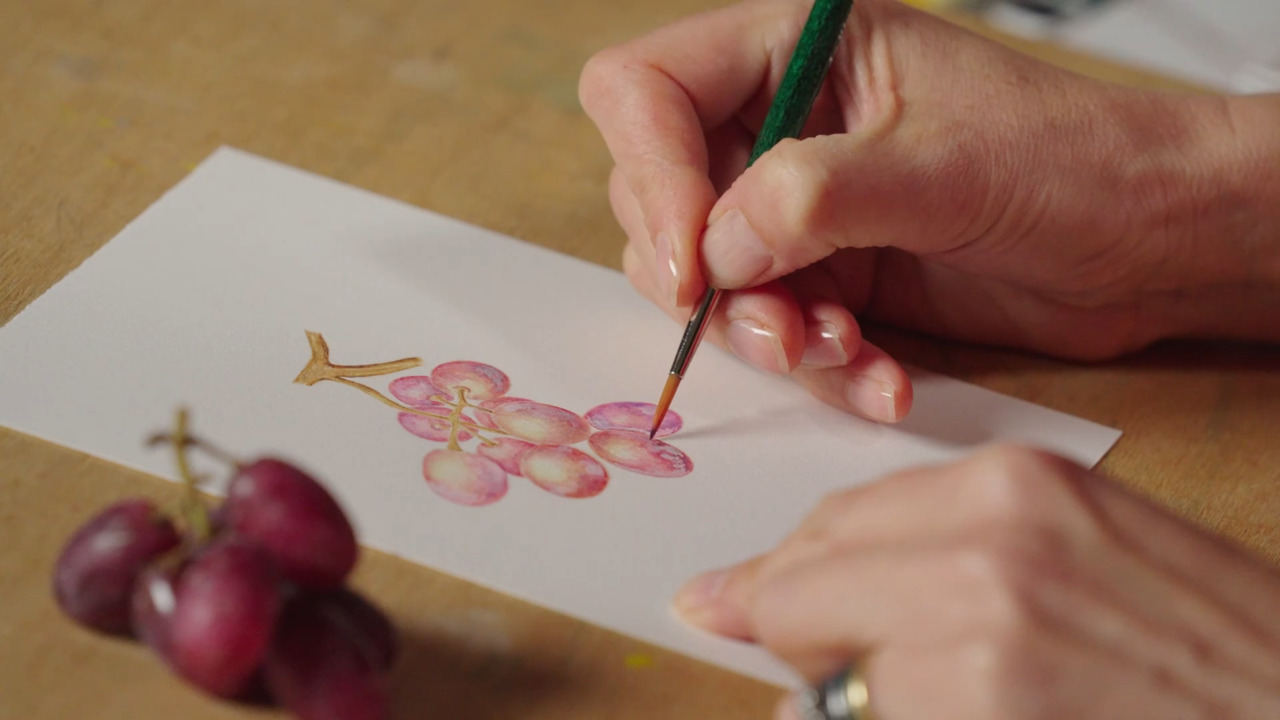
Often found on fruits such as grapes, plums and figs, bloom is a whitish coating that the plant produces to protect the fruit as it ripens. Katharine shares with you the technique she uses to communicate this effect.
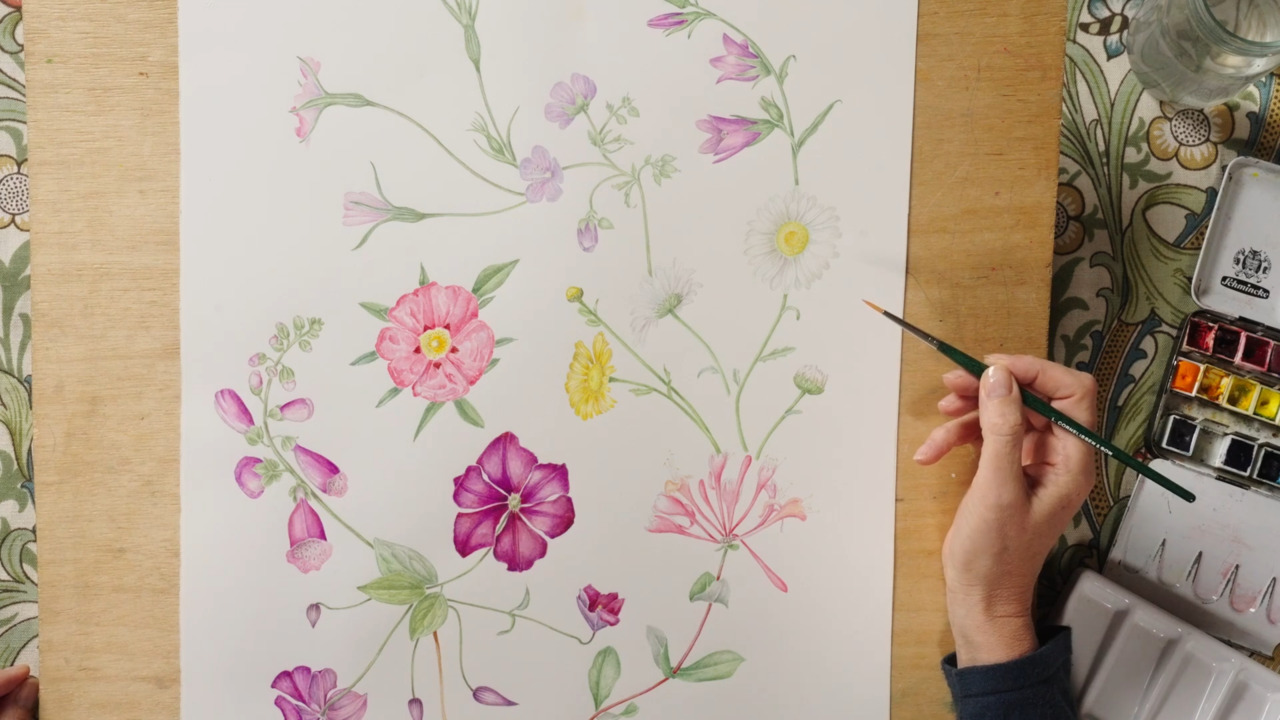
Moving on from fruit, you and Katharine will spend some time together painting a different kind of plant specimen; flowers. They can be a little trickier to paint as they are so delicate, but there are a few tricks to capture their unique beauty.

This lesson will see you applying what you have learnt to a different type of flower; one that has colour. Katharine also spends some time demonstrating how to capture the uniquely delicate nature of petals in watercolour.
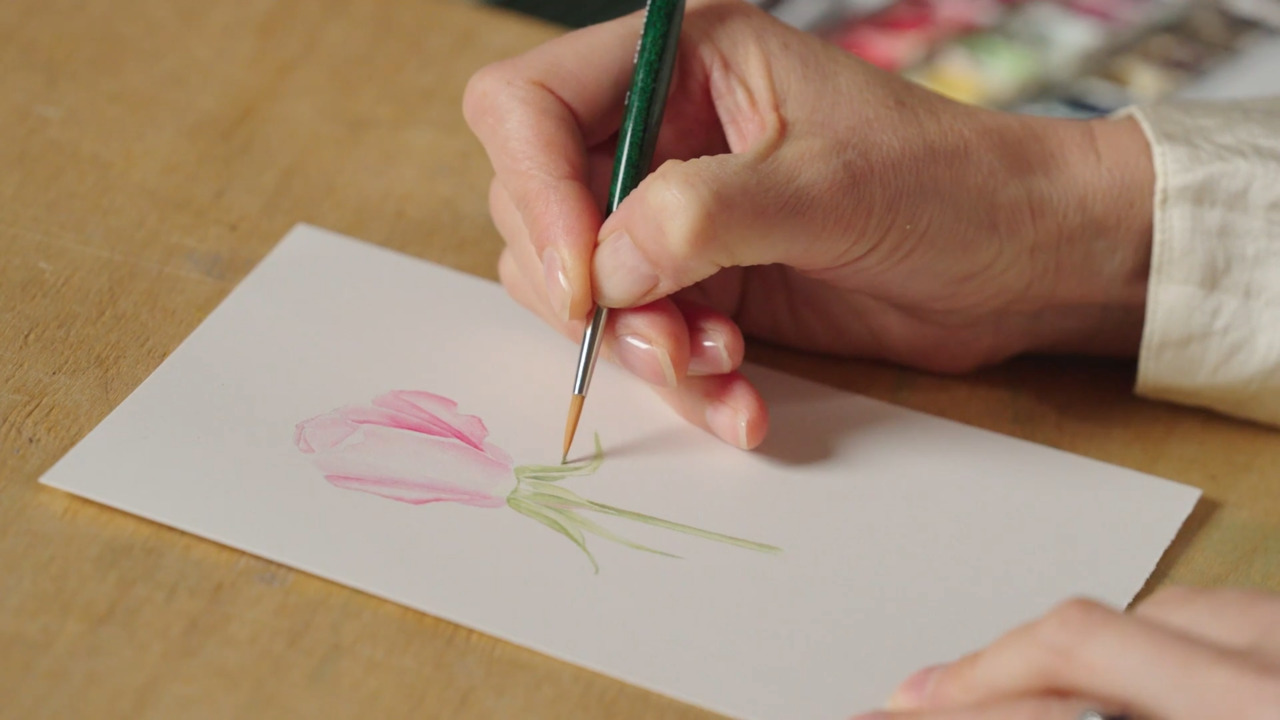
In the next part of this lesson, Katharine will show you how to add detail and depth to your painting of a rose.
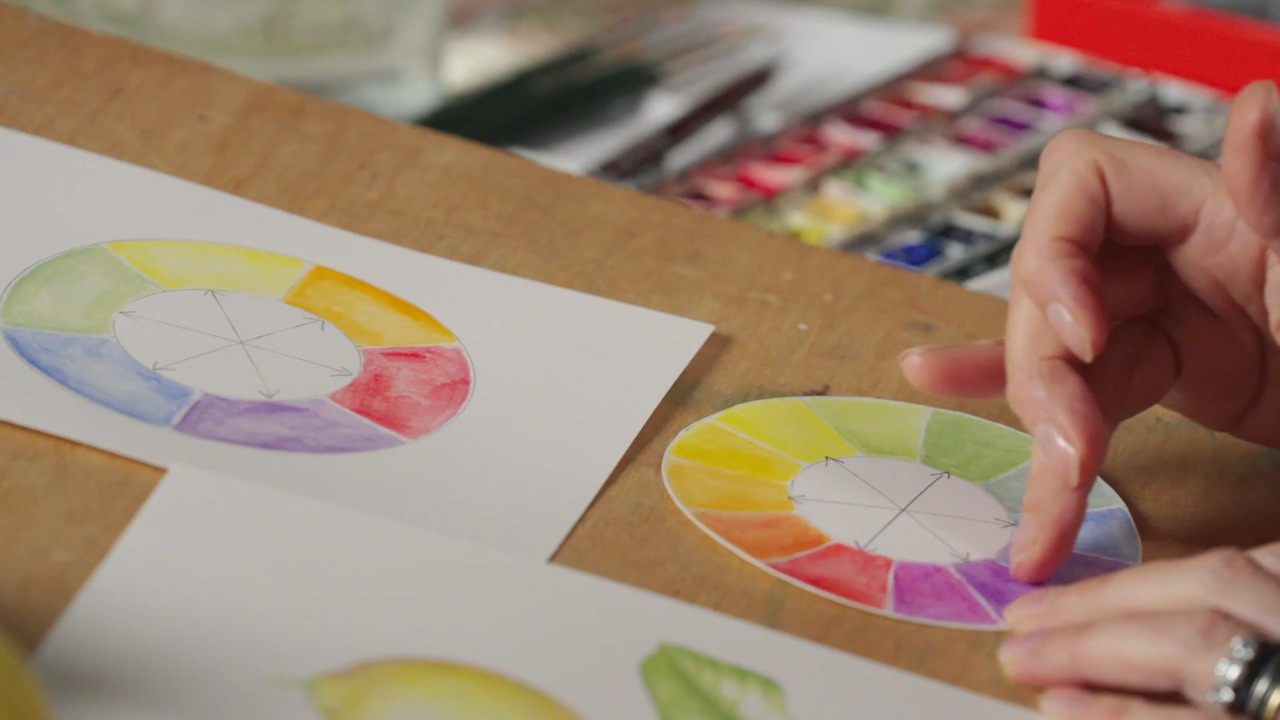
Thanks to its limited tonal range, yellow can be a tricky colour to use in botanical painting. Watch as Katharine discusses its pitfalls, and reveals how to counteract them. With a lemon as the subject in this lesson, it’s also the perfect opportunity to practise communicating the form of a leaf.
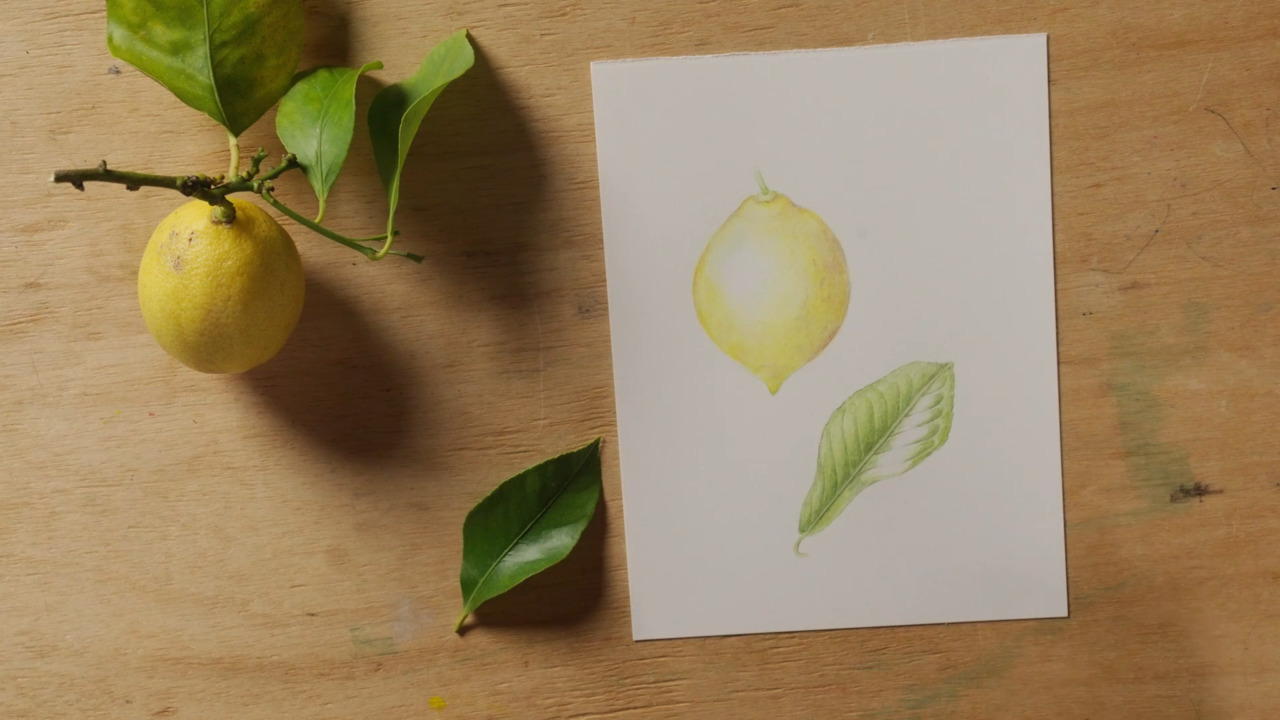
Continue following along with Katharine as she puts the finishing touches to the painting of a lemon and its leaf, with some valuable advice offered along the way.
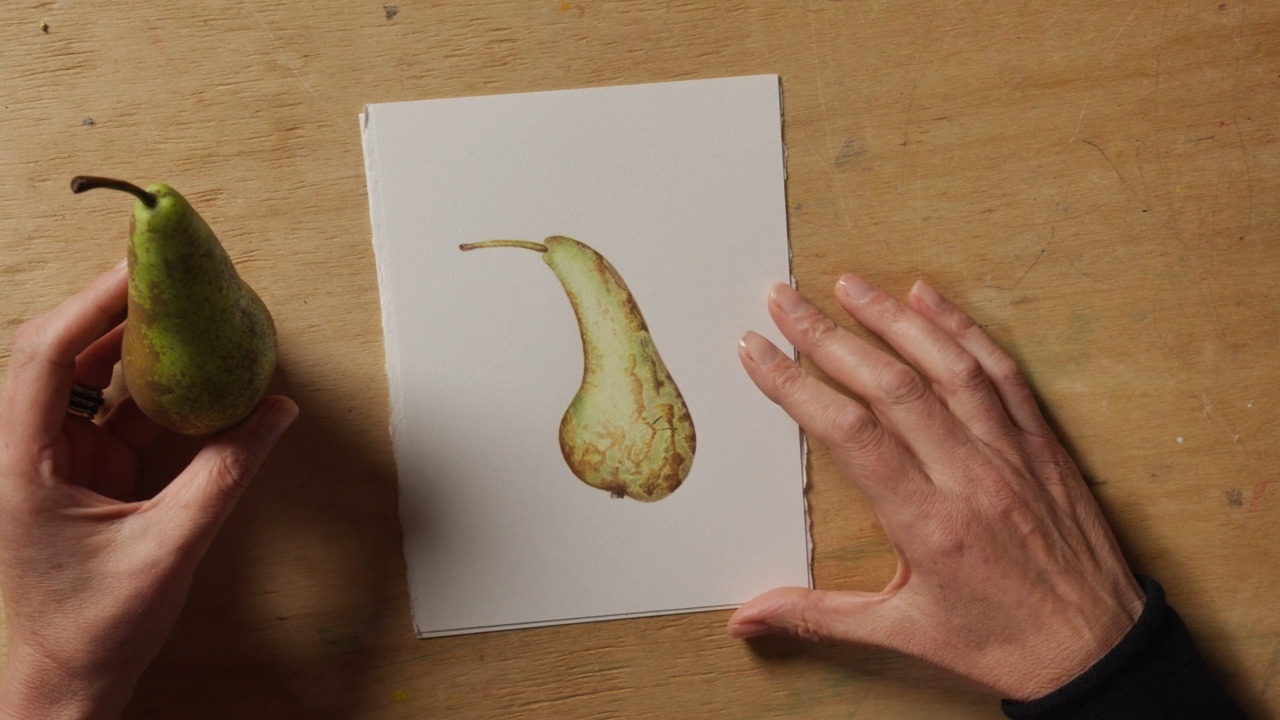
During this course, you’ll have spent a lot of time perfecting your ability to create the illusion of form within your painting. This is an incredibly important building block for learning the next skill; adding in pattern and detail.

Katharine offers some last words of encouragement as she bids you farewell and good luck on your botanical painting journey.
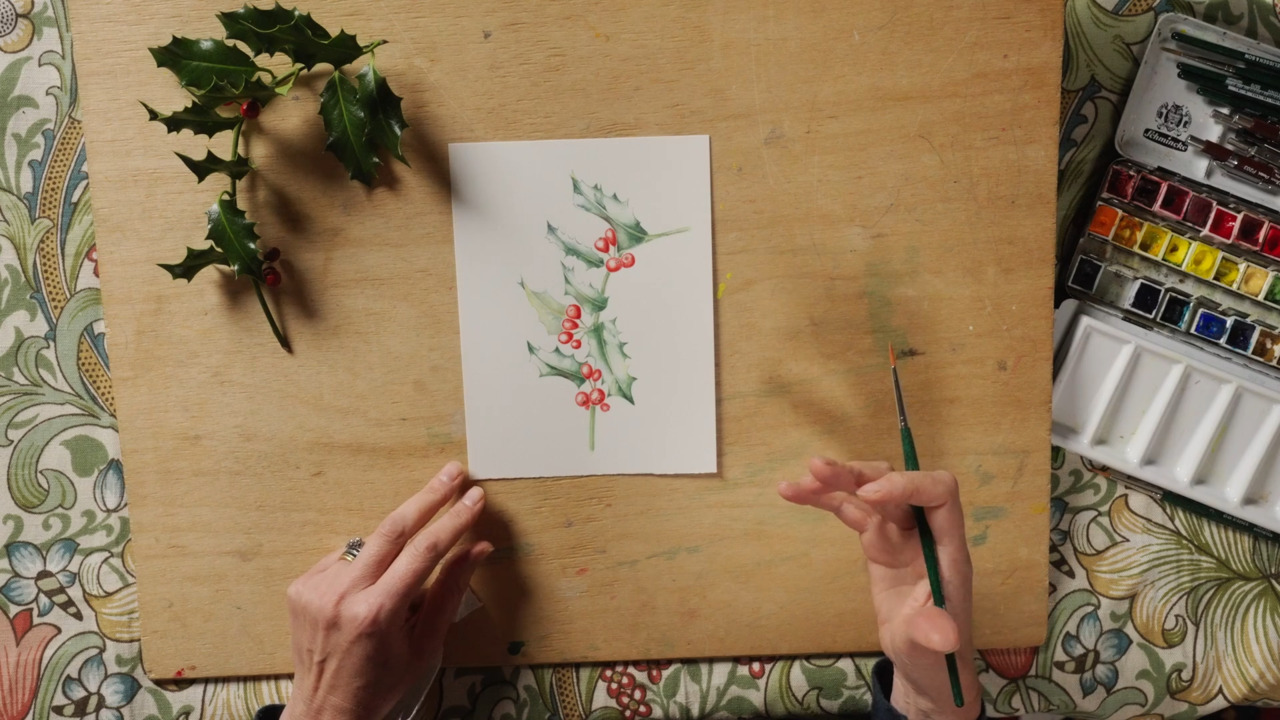
A botanical painting of a festive specimen can make for a beautifully personal Christmas card, or a cherished gift for a loved one. In this lesson, Katharine shows you how to approach painting a sprig of holly.
Rated 4.8/5 on Trustpilot
Get unlimited access to this and all other courses for just £16/Month
All of our courses are online, meaning that you are able to watch them whenever and wherever suits you best. There is no beginning or finish date and they’re completely self-paced so that you can stop, start and pause each lesson to fit around your own schedule. You can begin watching a course as soon as you purchase it – simply login to your Create Academy account whenever you have a quiet moment to yourself.